
Understand coffee-oil cleaning, backflushing, milk hygiene and mineral descaling, with a model-first routine that avoids unsafe universal recipes.
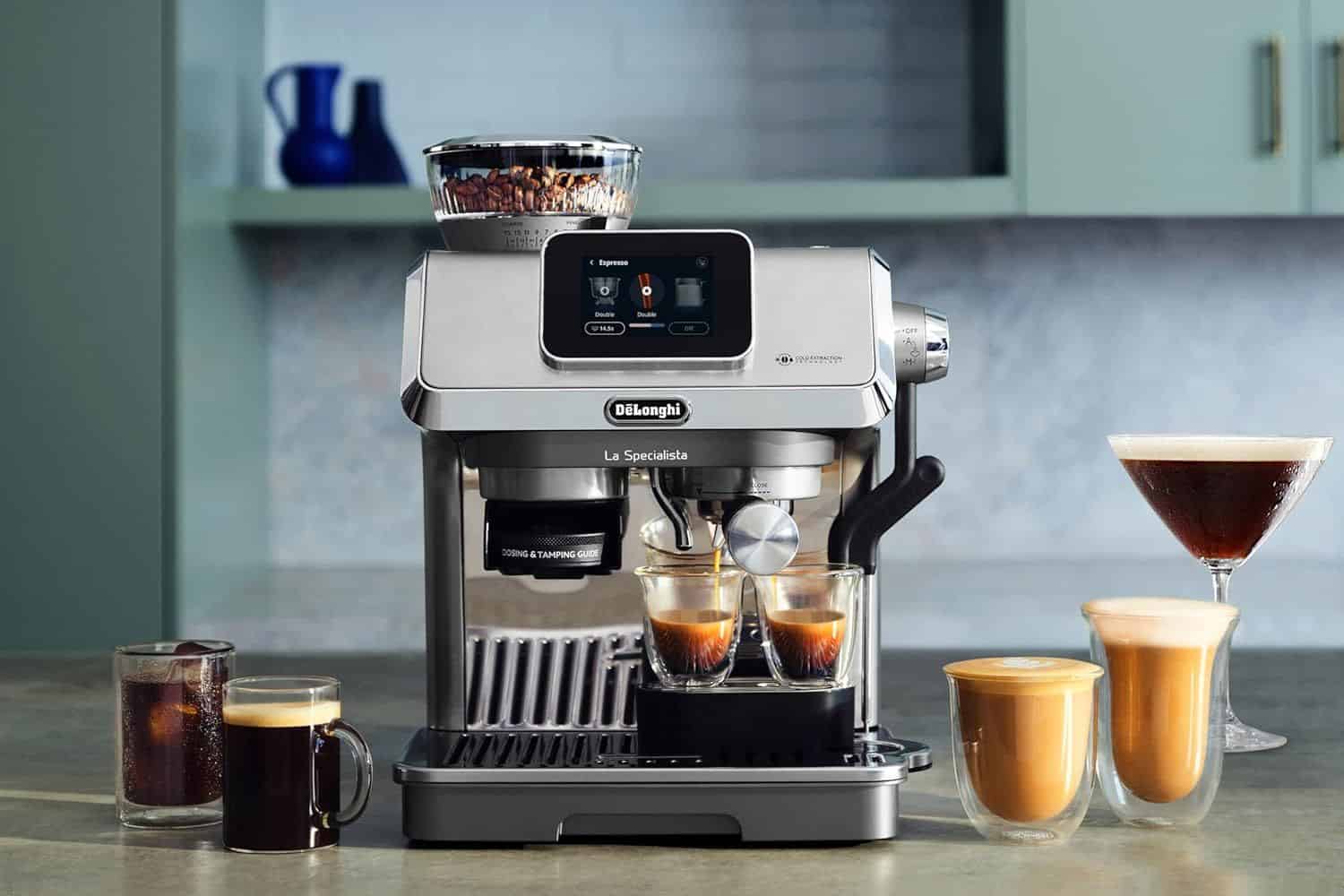
Identify the machine before choosing a procedure
Find the full model number and current manual. A traditional portafilter machine, a fully automatic brewing unit and a capsule machine do not share one universal cleaning method. A video featuring a similar-looking machine is not enough evidence that the procedure is safe for yours.
Backflushing is particularly easy to misunderstand. Some machines have the valve arrangement and approved cleaning cycle for it; others do not. Only use a blind basket, cleaning disc or detergent backflush when the manufacturer explicitly supports that operation. Never improvise a blocked water outlet.
Separate food residue from mineral scale
Once you have the right manual, separate the jobs by what you are removing. Coffee oils collect on baskets, portafilters and accessible brewing surfaces. Milk residue needs attention around wands, jugs and automatic milk systems. Scale forms in water-contact areas according to water chemistry and operating conditions.
A descaler is not a general milk-system cleaner. A coffee-cleaning tablet is not a substitute for the correct descaling product. Keep products labelled, follow their intended concentration and rinse instructions, and never mix cleaning chemicals.
| Task | What it addresses | Important boundary |
|---|---|---|
| Basket and portafilter cleaning | Grounds and coffee oils | Check which materials may soak |
| Approved group cleaning cycle | Residue in supported brewing paths | Not every machine supports backflushing |
| Milk-system cleaning | Milk-contact residue | Clean promptly; use the correct procedure |
| Descaling | Mineral deposits | Model, product and water dependent |
Build the small daily routine first
Remove spent coffee, rinse the appropriate removable parts and empty the drip tray before it becomes a spill. Follow the instructions for wiping and purging the wand after milk preparation. Avoid touching hot metal or directing steam toward skin.
For automatic milk systems, disassemble and clean only the parts specified by the manufacturer. Do not assume an automatic rinse sanitises every milk-contact surface. Let cleaned parts dry as directed rather than sealing damp residue in a container.
A schedule should follow water and usage
Use the machine’s prompts and maintenance schedule as the starting point. A calendar recommendation from a different household may not fit your water hardness or number of drinks. Keep a short record of filter changes, cleaning cycles and any water tests.
Descaling more often is not automatically safer. The wrong acid, concentration or process can damage equipment. Some systems have service-specific guidance that differs from consumer thermoblock machines; follow the matching manual or ask authorised support.
Do not use vinegar as a universal shortcut
A common household product is not automatically approved for every internal water path. Before substituting vinegar, citric acid or another cleaner, check the exact manual. Odour, residues and material compatibility are reasons not to guess.
If a machine stops flowing, leaks, trips an electrical circuit or behaves abnormally after maintenance, stop using it and seek model-specific support. Unplug and allow cooling when the instructions require it. Do not open a pressurised boiler or loosen hot fittings to investigate.
How this helps flavour troubleshooting
If a reliable recipe suddenly tastes stale or bitter, check for overdue cleaning before adjusting the grind and dose. Start with a clean system, then return to the beans, water and recipe if the flavour still seems wrong.
Keep a simple record of the job, date and product used. That makes the next prompt easier to interpret and gives support staff useful information if a problem develops. Use your model’s manual for the procedure and the water guide to understand why a filter alone may not solve scaling.
Sources and research notes
- Breville BES875 manual: separate cleaning and descaling procedures
- Philips EP5544/90: model support and maintenance conditions
- Ninja ES700-series care and preparation guidance